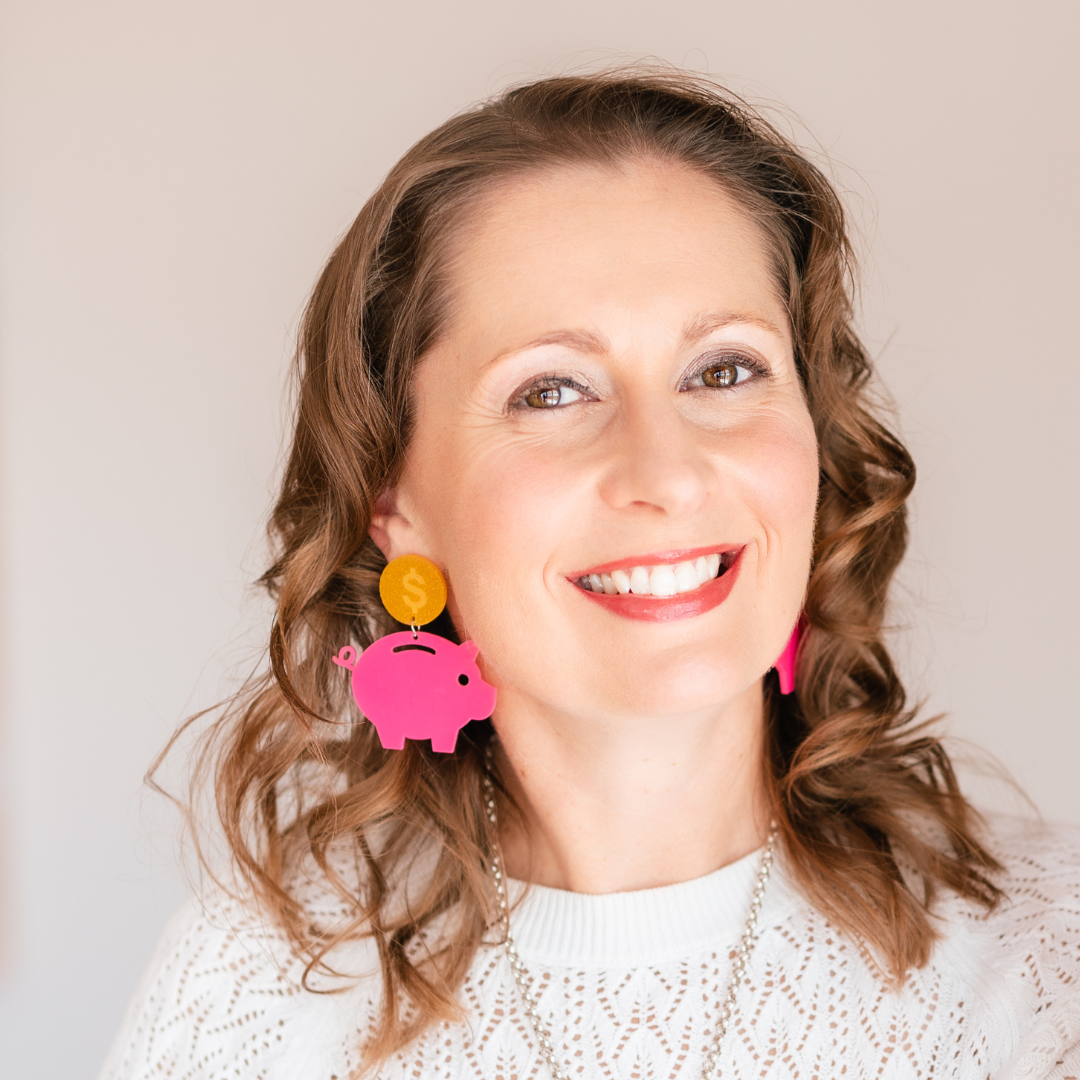
Save, Spend, Share: What a Kids' Picture Book Can Teach Us About Money, with Lionel O'Mally
Most of us never had anyone sit us down and explain money. We picked it up from watching our parents, making mistakes, and quietly hoping we'd figure it out. So what would change if the first money lesson came at bedtime, in a rhyming picture book about bunnies?
This week I'm joined by Lionel O'Malley, a financial planner who specialises in retirement, and who has co-written a six-book children's series called Bunnies and Monies. We talk about the simple save, spend, share system at the heart of the books, why tapping a card means kids (and adults) lose touch with what money is worth, and why so many retirees end up sitting on money they were too scared to enjoy.
If you've ever thought "I can't teach my kids about money, I haven't even sorted my own," this one's for you. You don't need to be the expert. You need a simple system and a willingness to start the conversation.
About Lionel
Lionel O'Malley grew up in Bourke in central-west New South Wales and played rugby league in the Bulldogs system before a stint concreting convinced him he needed a different long-term plan. He studied financial planning and accounting, has been a financial adviser for 10 years, and started his own practice five years ago. He now works exclusively with pre-retirees and retirees aged 50+, travelling around Australia to meet clients in person. He's a husband and dad of three, and co-author (with fellow planner Victor Idoko) of the Bunnies and Monies book series. He's also co-written The Little Book of Retirement Concepts.
What we cover
Lionel's path from country NSW and rugby league to financial planning
Why he and co-author Victor Idoko wrote a kids' money book series
The save, spend, share system and the three "bunny banks"
Why cards and phones make it harder for kids to understand value
The jelly bean lesson: spending on things that disappear vs saving for something that lasts
Goal jars and why seeing progress keeps you going
What percentage should go in each jar
Delayed gratification, grit, and the joy of waiting for something
Practical tools for kids who are getting too old for jars
Key takeaways
You don't need to be a money expert to teach your kids about money. A simple structure like save, spend, share gives you a starting point, wherever you are in your own money life.
Tangible money teaches value. When kids hand over a $10 note and it isn't enough, they learn something a tap of a card never shows them.
Balance, not all or nothing. Money doesn't have to all be saved, all spent, or all given. The skill is deciding how much goes where.
Goals give money a job. If you don't know what you want money for, it tends to disappear. A visible goal changes behaviour.
Fear-based saving has a cost too. Plenty of people save their whole lives and then struggle to spend in retirement. A healthy relationship with money includes enjoying it.
Links
Bunnies and Monies book series: https://www.bunniesmonies.com.au/
Connect with Lionel on LinkedIn: https://www.linkedin.com/in/lionelomally/
Disclaimer: This episode contains general information only and does not take into account your personal circumstances. It is not financial advice. Products and apps mentioned in this episode (including kids' banking apps and cards) are mentioned in conversation, not endorsed. Please speak with a licensed financial adviser before making financial decisions.